A quality serger can make garments look more polished while trimming, seaming, and finishing fabric in one pass. The best sergers under $300 offer useful features such as differential feed, color-coded threading, convertible thread capability, and built-in rolled hems without the cost of professional equipment.
We compared 10 budget-friendly overlock machines across stitch flexibility, threading support, construction, speed, and everyday practicality. Whether you are finishing knits, sewing rolled hems, or upgrading from a standard sewing machine, this guide can help narrow the choices.
Best 10 Sergers Under 300 Picks for 2026
Reliable Foundation
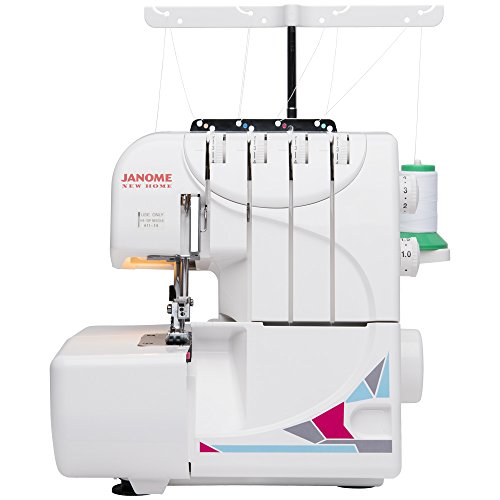
- 3- and 4-thread capability
- Differential feed helps limit puckering
- Lay-in, color-coded threading
Best For: Home sewists seeking flexible everyday overlocking
Beginner-Friendly Control

- Eight built-in stitches
- Color-coded threading and LED light
- Free arm with differential feed
Best For: New users sewing garments and everyday hems
Fast Garment Finishing
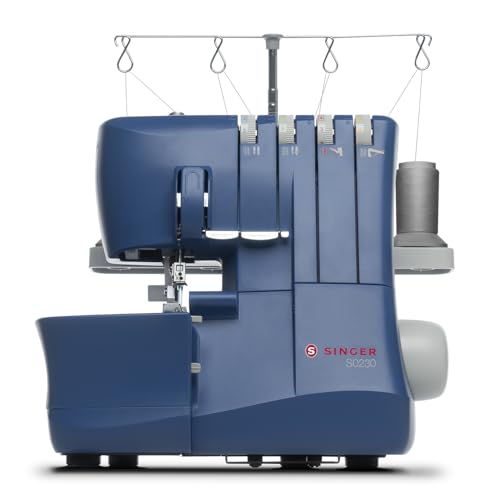
- 2-, 3-, and 4-thread capability
- Up to 1,300 stitches per minute
- Free arm and differential feed
Best For: Garment makers prioritizing speed and flexibility
Heavy-Duty Four-Thread Option
INTBUYING Serger Overlock Machine

- Heavy-duty metal frame
- Secure four-thread overlocking
- Large spool capacity
Best For: Home or small-scale garment production
Best Heavy-Duty Pick

- 2/3/4-thread capability
- Metal frame with precision blade
- Built-in rolled hem and differential feed
Best For: Versatile home sewing and heavier-duty projects
Best Speed-Focused Option
Four-Thread Overlocking Machine
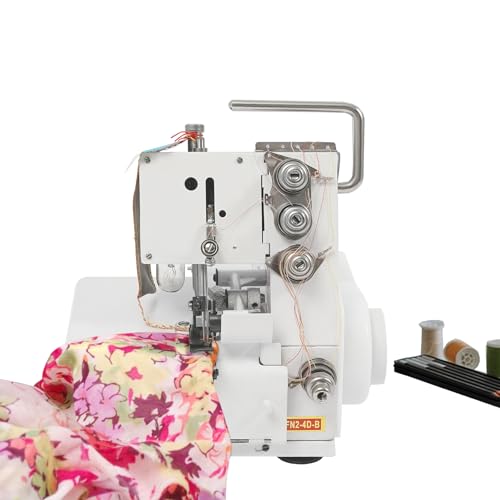
- Up to 1,200 stitches per minute
- Adjustable pitch, width, and tension
- LED light and foot-pedal control
Best For: Fast four-thread edge finishing and repairs
Best for Fabric Control

- Adjustable differential feed
- 2/3/4-thread versatility
- Integrated edge-cutting system
Best For: Knits, denim, and stretchy fabric projects
Efficient 4-Thread Pick
Cast Iron Serger for Everyday Edge Finishing

- 4-thread overlock stitching
- 1,200 stitches per minute
- LED light and automatic edge trimming
Best For: Home tailoring, DIY crafts, and routine edge finishing
Beginner-Friendly Choice
3/4-Thread Serger with Re-Thread Guide

- 3/4-thread overlock capability
- 12 stitch patterns at 1,250 SPM
- Color-coded guides and video threading help
Best For: Beginners and home sewists seeking guided setup
Most Versatile Setup
VEVOR 2/3/5-Thread Overlock Machine
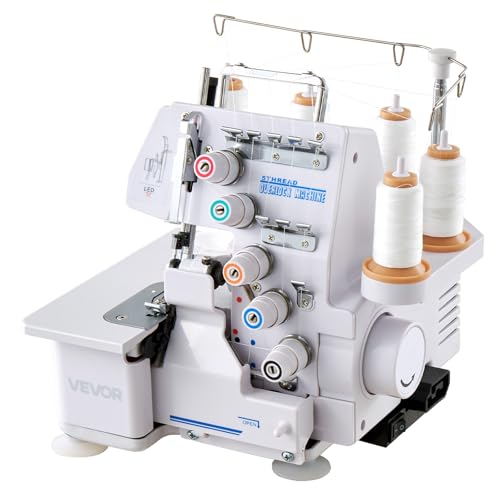
- 2/3/5-thread configuration
- 1,250 stitches per minute with 112W motor
- Multiple hem and edge-finishing styles
Best For: Sewists wanting broad thread and stitch flexibility
Reliable Foundation – Janome MOD-8933 Serger
Janome MOD-8933 Serger with Lay-In Threading, 3 and 4 Thread Convertible with Differential Feed
Check Price On AmazonFor shoppers comparing sergers under 300, the Janome MOD-8933 focuses on practical overlocking essentials: 3- and 4-thread capability, differential feed, and accessible threading controls. Its color-coded lay-in threading system and adjustable presser foot pressure make it a versatile option for everyday garment finishing.
Best For: Home sewists who want flexible thread options, differential feed, and a durable metal-built machine.
Pros:
- Supports both 3- and 4-thread overlocking.
- Differential feed helps prevent stretching and puckering.
- Color-coded lay-in threading guides simplify setup.
- Includes a quick-change rolled hem and adjustable presser foot pressure.
Cons:
- Its 14.3-pound weight may make frequent repositioning less convenient.
- The supplied notes do not specify a maximum sewing speed.
The MOD-8933 is a sensible choice when control over fabric handling and stitch configuration matters more than extra convenience features. Its 25-year limited warranty is also a notable ownership detail.
Beginner-Friendly Control – SINGER S0080 Serger
Among sergers under 300, the SINGER S0080 stands out for an approachable feature set. It combines eight built-in stitches with color-coded threading, differential feed, LED lighting, and a free arm, giving new users useful guidance and practical control for everyday sewing projects.
Best For: Beginners who want guided setup and convenient features for garments, cuffs, sleeves, and hems.
Pros:
- Eight built-in stitches cover trimming, finishing, hemming, and embellishing.
- Color-coded thread paths make threading easier to follow.
- Differential feed helps reduce stretching on knits and puckering on delicate fabrics.
- Includes LED lighting, a free arm, and a full metal interior frame.
Cons:
- The machine uses a mix of metal and plastic materials.
- The supplied notes do not list a maximum stitch speed.
The S0080 is a well-rounded pick for new serger owners who value setup assistance and built-in convenience. Its included needles, tools, oil, and soft dust cover also support routine use and care.
Fast Garment Finishing – SINGER S0230 Serger
For shoppers seeking sergers under 300 with speed and flexibility, the navy SINGER S0230 offers 2-, 3-, and 4-thread capability plus operation up to 1,300 stitches per minute. Its differential feed and free arm are particularly useful for stretch fabrics, sleeves, cuffs, and other garment projects.
Best For: Garment makers who want fast seam finishing and multiple thread configurations.
Pros:
- Supports 2-, 3-, and 4-thread serging.
- Reaches up to 1,300 stitches per minute.
- Differential feed helps prevent stretching and puckering.
- Free arm supports sleeves, cuffs, and children’s clothing projects.
Cons:
- The supplied accessory list is limited to general items such as tweezers, needles, and a screwdriver.
- At 14 inches deep, it may require more workspace than some compact models.
The S0230 is a strong practical option when productivity is a priority. Its broad thread range and fabric-control features make it suitable for both routine finishing and stretch-fabric work.
Heavy-Duty Four-Thread Option – INTBUYING Serger Overlock Machine
When comparing sergers under 300 for home or small-scale production, the INTBUYING overlock machine emphasizes a heavy-duty metal frame and four-thread sewing. Its compact structure, large spool capacity, and stated vibration and noise reduction are aimed at stable, extended operation.
Best For: Home users, tailoring shops, and small garment operations needing sturdy four-thread overlocking.
Pros:
- Heavy-duty metal frame is designed for stable operation.
- Four-thread sewing produces a secure hem intended to resist thread loosening.
- Large spool capacity can reduce frequent spool changes.
- Supports standard and varied stitch patterns for hemming needs.
Cons:
- The supplied notes do not provide a maximum stitch speed.
- Only 110-volt input is specified, which may limit use in areas with different electrical standards.
- The notes do not mention differential feed or color-coded threading.
The INTBUYING is best considered a durability-focused option rather than a feature-rich beginner model. Its four-thread design and production-oriented description make it more appealing for users who value secure seams and continuous operation.
Best Heavy-Duty Pick – FEIYUE FY505 Serger
Among sergers under 300, the FEIYUE FY505 stands out for its durable metal frame, flexible 2/3/4-thread capability, and adjustable differential feed. Its color-coded threading guides and 1,100-stitches-per-minute speed make it a practical option for home sewing projects that need clean, efficient finishing.
Best For: Sewists who want a sturdy, versatile serger for varied fabrics and heavier-duty projects.
Pros:
- Supports 2-, 3-, and 4-thread sewing configurations.
- Durable metal frame and extra-hard carbon-steel blade support reliable cutting.
- Built-in rolled hem and adjustable differential feed add sewing flexibility.
- Color-coded guides and numbered loopers simplify threading.
Cons:
- At 13.6 pounds, it is less convenient to move than a lightweight machine.
- Its maximum speed is lower than some faster overlock machines.
The FY505 is a well-rounded choice when construction quality and stitch versatility matter more than portability. It offers useful beginner-friendly threading aids while retaining features suited to more demanding sewing work.
Best Speed-Focused Option – Four-Thread Overlocking Machine
For shoppers comparing sergers under 300, this four-thread overlocking machine emphasizes fast edge finishing and adjustable settings. Its 1,200-stitches-per-minute maximum speed, foot-pedal control, and LED work light suit routine sewing, repairs, and fabric finishing in a home workspace.
Best For: Users who prioritize fast four-thread overlocking for clothing repairs and everyday fabric projects.
Pros:
- Four-thread design trims, locks, and finishes fabric edges in one operation.
- Reaches up to 1,200 stitches per minute with a 100W motor.
- Adjustable needle pitch, hemming width, and individual thread tension controls.
- Foot pedal, LED work light, anti-slip mats, and compact freestanding design support home use.
Cons:
- Only a four-thread configuration is specified.
- Listed as hand-powered in the product details despite its electric motor and 110-volt input.
- Its tall footprint may require careful placement in smaller sewing areas.
This model is most appealing when speed and adjustable four-thread finishing are the priorities. Its fabric-specific controls can help with cotton, silk, denim, and other compatible materials, though it offers less configuration flexibility than multi-thread models.
Best for Fabric Control – FEIYUE FY503 Serger
The FEIYUE FY503 is a strong contender among sergers under 300 for sewists who work with knits, elastic fabrics, or bias-cut materials. It combines 2/3/4-thread capability with adjustable differential feed, color-coded threading paths, and an integrated cutting system for controlled, clean seam finishing.
Best For: Home sewists handling mixed fabrics, especially knits, denim, and stretchy materials.
Pros:
- Supports 2-, 3-, and 4-thread configurations, including rolled hems and flatlock-style work.
- Adjustable differential feed helps manage stretching and fabric feeding.
- Color-coded guides and independent tension dials simplify setup and adjustments.
- Movable upper and stationary lower knives trim edges while sewing.
Cons:
- At 18 pounds, it is relatively heavy for moving or storing.
- Its maximum speed is listed at 1,100 stitches per minute rather than the fastest class of overlock machines.
The FY503 offers useful control for fabrics that can stretch, pucker, or feed unevenly. Its broad thread compatibility and integrated knives make it a practical choice for garment construction and finishing, provided its heavier weight fits your workspace.
Efficient 4-Thread Pick – Cast Iron Serger for Everyday Edge Finishing
If you want one of the more straightforward sergers under 300 for home sewing, this 4-thread model focuses on fast overlocking and a sturdy cast iron base. It reaches up to 1,200 stitches per minute, trims fabric edges while sewing, and includes LED lighting for better visibility.
Best For: Home tailoring, DIY crafts, and routine edge finishing on compatible fabrics.
Pros:
- 4-thread overlock stitching helps create compact, sturdy seams.
- Up to 1,200 stitches per minute supports efficient project work.
- Automatic edge trimming, LED lighting, and strong suction feet add convenience.
- Adjustable stitch spacing accommodates different sewing needs.
Cons:
- It offers 4-thread capability rather than the broader thread configurations found on some alternatives.
- The listed stitch-length range is limited to 0.1–0.13 inches.
This is a practical choice if stability and basic 4-thread overlocking matter more to you than a large selection of stitch configurations. Its cast iron construction and automatic trimming make it well suited to routine home projects.
Beginner-Friendly Choice – 3/4-Thread Serger with Re-Thread Guide
Among sergers under 300, this model stands out for its 3/4-thread flexibility and threading assistance. Color-coded thread paths, re-threading instructions, and a video guide can make setup less intimidating, while the differential feed helps manage lightweight and stretch fabrics.
Best For: Beginners and home sewists who want multiple overlock options with guided threading.
Pros:
- Supports both 3-thread and 4-thread overlocking, including rolled hem stitching.
- Re-threading instructions, a video tutorial, and color-coded guides simplify setup.
- Up to 1,250 stitches per minute and 12 stitch patterns support varied projects.
- Differential feed helps reduce wrinkling in lightweight fabrics and stretching in knits.
Cons:
- The 19.8-pound metal-bodied machine may be less convenient to move frequently.
- Users should follow the manual and video guidance carefully when rethreading.
This serger offers a useful balance of versatility and guidance. Its differential feed and adjustable cutting components broaden its fabric range, while the included threading support is particularly helpful for new users.
Most Versatile Setup – VEVOR 2/3/5-Thread Overlock Machine
For shoppers comparing sergers under 300, the VEVOR model offers an unusually broad 2/3/5-thread setup. It combines a 1,250-stitches-per-minute speed, 112W motor, adjustable stitch controls, and several finishing styles for projects ranging from sheer fabric to heavy denim.
Best For: Sewists who want flexible thread configurations and multiple edge-finishing options.
Pros:
- 2/3/5-thread capability covers repairs, edging, and varied overlock tasks.
- Supports overlock, rolled hem, edging, and lettuce hem stitch styles.
- 1,250 stitches per minute and a 112W motor support fast project completion.
- Color-coded threading, LED lighting, and an adjustable presser foot improve usability.
Cons:
- The iron-and-plastic construction is not an all-metal body.
- The listed power source is hand-powered, which may warrant checking the product setup before purchase.
The VEVOR is the strongest fit here for shoppers prioritizing configuration flexibility. Its multiple thread options and finishing styles make it adaptable, while the heavy-duty frame and suction feet are designed to support steady operation.
How We Picked the Best Sergers Under 300
We focused on features that make an overlock machine useful for real home sewing rather than relying on stitch-count claims alone. Each model was evaluated for thread flexibility, differential-feed adjustment, maximum sewing speed, threading guidance, frame construction, and included convenience features.
Machines supporting two, three, or four threads can handle a wider range of seam-finishing tasks. We also gave practical weight to color-coded threading paths, built-in rolled hems, LED lighting, suction feet, and removable or accessible components. Because pricing and availability can change, verify the current specifications and included accessories before ordering.
Quick Comparison
| Feature | Why It Matters |
|---|---|
| 2/3/4-thread capability | Provides flexibility for narrow seams, finishing, and stronger overlock stitches. |
| Differential feed | Helps reduce stretching or puckering, especially on knits and lightweight fabrics. |
| Built-in rolled hem | Makes decorative and narrow hems easier to set up. |
| Metal frame | Can improve stability and durability during faster sewing. |
| Color-coded threading | Makes the threading path easier to follow for beginners. |
| 1,100–1,300 stitches per minute | Allows faster production, though control and setup remain more important for new users. |
Key Buying Factors for Sergers Under $300
Threading and Setup
Threading is often the steepest learning curve. Look for clearly marked paths, accessible loopers, diagrams, and included tweezers or needle tools. A machine that is slightly slower to thread but easier to troubleshoot may be a better choice than one with a higher advertised speed.
Stitch and Thread Range
Four-thread machines are a versatile starting point for garment construction and seam finishing. Three-thread settings can create narrower edges, while two-thread capability may be useful for lightweight finishing if the machine supports it. Confirm whether the listed thread options require separate conversions or accessories.
Feed Control and Fabric Handling
Differential feed is especially valuable for jersey, fleece, and other stretch materials. Adjustable presser-foot pressure, a free arm, and a sturdy base can also improve control. Strong suction feet or a heavier metal frame may reduce movement at high speed.
Noise, Space, and Maintenance
Most budget sergers need regular lint removal, cleaning, and oiling where specified. Check the machine’s footprint, storage requirements, warranty, replacement-knife availability, and power compatibility. A bright LED and easy-access lower looper area are small features that can make frequent use more comfortable.
Who Should Buy Which Sergers Under 300?
Beginners should prioritize color-coded threading, clear instructions, stable construction, and differential feed over maximum speed. Sewists making clothing or working with knits should look for four-thread capability and reliable feed adjustment. Crafters focused on napkins, scarves, lingerie, or decorative edges may prefer a model with a convenient rolled-hem setup.
Choose a heavier metal-frame option if you sew often or dislike machine movement. A compact, straightforward model may be the better fit for occasional repairs, small projects, or limited workspaces. Whichever machine you choose, budget for quality thread, spare needles, tweezers, and practice fabric—those basics often improve results more than a small difference in motor speed.