Choosing the right sewing machine for beginners can make the difference between frustration and fast progress. The best starter models are easy to thread, simple to control, and versatile enough for practice projects.
In this roundup, we focused on beginner-friendly machines that balance usability, stitch options, portability, and overall value so you can start sewing with confidence.
Best 10 Sewing Machine for Beginners Picks for 2026
Beginner-Friendly All-Around Pick
Brother XM2701 Portable Sewing Machine

- 27 built-in stitches for everyday sewing
- Automatic needle threader and drop-in bobbin
- Includes 6 sewing feet and accessories
Best For: Beginners who want an easy, versatile machine for everyday projects
Feature-Packed Learning Pick
Brother GX37 37-Stitch Sewing Machine
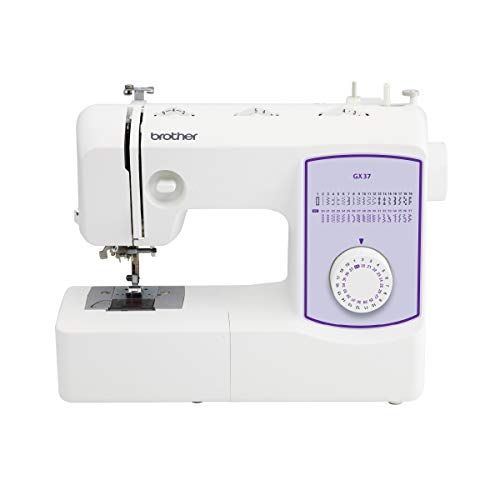
- 37 built-in stitches for more variety
- Automatic needle threader and drop-in bobbin
- Includes 6 sewing feet and accessories
Best For: Beginners who want more stitch options and room to grow
Compact Starter Kit
Mini Sewing Machine with 57-Piece Kit

- Low and high speed settings for control
- Includes foot pedal and extension table
- 57-piece kit with thread, bobbins, and tools
Best For: Absolute beginners who want a compact machine for simple mending and practice
Computerized Upgrade
Brother CS5055 Computerized Sewing Machine with LCD Display

- 60 built-in stitches for utility, decorative, and heirloom sewing
- Automatic needle threader and jam-resistant drop-in top bobbin
- Metal frame with 7 feet and a larger workspace
Best For: Beginners who want a more capable machine for growing skills and larger projects
Portable Starter Kit
Sewing Machine for Beginners Mini Electric Sewing Machine

- 12 built-in stitches with dual-speed control and a foot pedal
- Free arm design for sleeves, pant legs, and cylindrical items
- Comes with a 42-piece sewing kit and sewing light
Best For: New sewers who want a compact, easy-start machine with extras included
Simple Mechanical Choice
SINGER M1500 Lightweight & Portable Sewing Machine
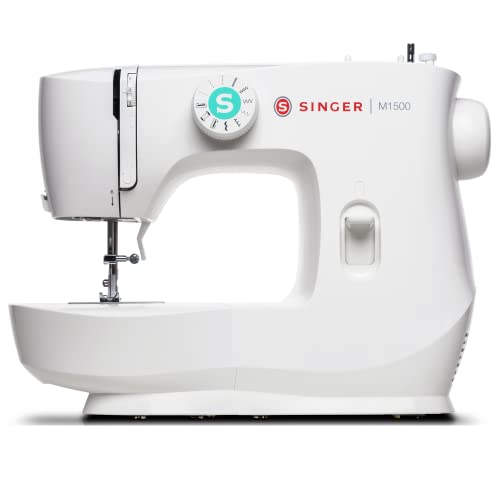
- 6 built-in stitches with 57 stitch applications
- Preset stitch length and width make setup easier
- Lightweight design with simple threading guides
Best For: Beginners who want a simple, portable machine for basics and mending
Beginner-Friendly Starter Set
Sewing Machine for Beginners with Fabrics & Finger Guard
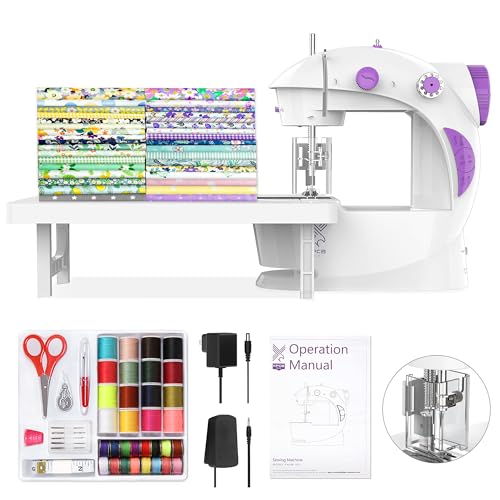
- Includes 20 cotton fabric squares for practice
- Finger guard plus slow and standard speeds
- Full tool kit with bobbins, scissors, and needles
Best For: New sewers who want an all-in-one starter machine with practice fabrics
Compact Travel-Friendly Choice
Portable Mini Electric Sewing Machine with LED Light

- 12 built-in stitches for basic mending and DIY
- Dual-speed control helps beginners sew steadily
- LED light and storage drawer add convenience
Best For: Beginners, students, and hobbyists who want a lightweight machine for small projects
Beginner-Friendly All-Around Pick – Brother XM2701 Portable Sewing Machine
If you want a sewing machine for beginners that feels easy to learn without being overly limited, the Brother XM2701 is a practical starting point. It includes 27 built-in stitches, an automatic needle threader, and a jam-resistant drop-in top bobbin, so the basics are straightforward while still leaving room for everyday projects.
Best For: New sewists who want a simple, versatile machine for everyday stitching, repairs, and lightweight projects.
Pros:
- 27 built-in stitches cover everyday, decorative, blind hem, zigzag, and stretch sewing.
- Automatic needle threader and drop-in top bobbin help reduce setup frustration.
- Includes 6 sewing feet plus extra accessories to get started right away.
- Free arm design is useful for cuffs, sleeves, and pant legs.
Cons:
- 120V U.S.-only use limits flexibility for international buyers.
- Not positioned as a heavy-duty option for thick materials.
Overall, this is a solid beginner choice if you want a straightforward machine with useful features and enough stitch variety to grow with you. It balances ease of use and versatility better than many entry-level models.
Heavy-Duty Beginner Option – Singer 4452 High Speed Sewing Machine
For a sewing machine for beginners who already know they want more power, the SINGER 4452 is built to handle tougher jobs than a typical entry-level model. Its stronger motor, 32 built-in stitches, and included accessory kit make it a good fit for learning on a machine that can also take on thicker fabrics.
Best For: Beginners who want a stronger machine for heavier fabrics, layered projects, and faster sewing.
Pros:
- Stronger motor is designed for multiple layers and thicker fabrics.
- 32 built-in stitches provide 110 stitch applications for more flexibility.
- Top drop-in bobbin with clear view cover makes thread checks easy.
- Includes a wide accessory kit with walking foot, non-stick foot, and heavy-duty needles.
Cons:
- May be more machine than a casual beginner needs for very simple sewing.
- Heavier build at 14.6 pounds makes it less portable than compact models.
This model makes sense if you want beginner-friendly setup features but also expect to sew more demanding projects. It offers more power and accessories than a basic starter machine.
Feature-Packed Learning Pick – Brother GX37 37-Stitch Sewing Machine
If you’re choosing a sewing machine for beginners but want a little more room to grow, the Brother GX37 adds stitch variety without making the basics complicated. It offers 37 built-in stitches, an automatic needle threader, and a jam-resistant drop-in top bobbin, making it a practical step up for everyday sewing and light quilting projects.
Best For: Beginners who want more stitch options and a machine that can grow into more varied projects.
Pros:
- 37 built-in stitches give you more options for everyday sewing and decorative work.
- Automatic needle threader and drop-in bobbin simplify setup.
- Includes 6 sewing feet and other accessories to start sewing sooner.
- Free arm design works well for a range of common sewing tasks.
Cons:
- Still intended for U.S. 120V use only.
- May be more feature-rich than someone wanting the simplest possible starter machine.
The GX37 is a strong middle-ground choice if you want beginner ease with a broader stitch selection. It should suit new sewists who expect to keep learning after the basics.
Compact Starter Kit – Mini Sewing Machine with 57-Piece Kit
This sewing machine for beginners is aimed at simple practice, mending, and small DIY projects. The compact mini design includes low and high speed settings, a foot pedal, and an extension table, so it gives new users more control while keeping the setup approachable.
Best For: Absolute beginners, kids, or casual users who want a compact machine for simple repairs and practice.
Pros:
- Low and high speed settings help beginners sew at a more comfortable pace.
- Foot pedal and extension table add control and a more stable work area.
- 57-piece kit includes thread, bobbins, needles, and basic tools.
- Compact plug-in design is ready for home sewing without batteries.
Cons:
- Best suited to light to medium household fabrics rather than thicker materials.
- Mini format is less versatile than a full-size sewing machine.
For simple learning, light mending, and everyday fabric projects, this kit gives beginners a lot in one box. It is the easiest fit if portability and basic control matter more than advanced stitching options.
Computerized Upgrade – Brother CS5055 Computerized Sewing Machine with LCD Display
If you want a sewing machine for beginners that feels easy to outgrow, the Brother CS5055 is a strong pick. It pairs a simple LCD display with 60 built-in stitches, automatic needle threading, and a jam-resistant top bobbin, giving new sewists more room to learn without making setup feel overwhelming.
Best For: Beginners who want a feature-rich machine for home sewing, crafts, and bigger projects.
Pros:
- 60 built-in stitches, including utility, decorative, and heirloom options
- Automatic needle threader and easy-load drop-in top bobbin
- Includes 7 sewing feet, 4 bobbins, and a trilingual manual
- Metal frame and larger needle-to-arm workspace for sturdier handling
Cons:
- 120-volt US-only model
- More features may be more than a total first-timer needs
Overall, the CS5055 is a beginner-friendly machine that adds helpful convenience features and a wider stitch selection, which makes it a practical choice if you plan to keep sewing beyond the basics.
Portable Starter Kit – Sewing Machine for Beginners Mini Electric Sewing Machine
This sewing machine for beginners is built to keep things simple while still covering common DIY jobs. It offers 12 built-in stitches, dual-speed control, a foot pedal, and beginner-friendly touches like a thread cutter, tension dial, and sewing light, plus a 42-piece sewing kit to help you get started right away.
Best For: New sewers who want a compact machine with an included accessory kit for home projects.
Pros:
- 12 built-in stitch patterns for basic project variety
- Dual-speed selection and foot pedal control for easier learning
- Free arm design helps with sleeves and pant legs
- Includes a 42-piece sewing kit for added convenience
Cons:
- Mini format may be less suited to larger projects
- Battery-powered and corded electric support may not matter to everyone
If you want a compact starter machine with extra accessories in the box, this model is a straightforward way to begin basic sewing and DIY work without a steep learning curve.
Simple Mechanical Choice – SINGER M1500 Lightweight & Portable Sewing Machine
The SINGER M1500 is a practical sewing machine for beginners who want straightforward controls without a lot of setup guesswork. Its stitch selector dial, preset stitch length and width, and clearly marked threading guides make it easy to get started, while still offering 57 stitch applications for everyday sewing tasks.
Best For: Beginners who want a lightweight, easy-to-use machine for sewing, mending, and simple crafts.
Pros:
- 6 built-in stitches with 57 stitch applications
- Preset stitch length and width reduce guesswork
- Simple stitch selector dial and marked threading guides
- Includes useful accessories like feet, bobbins, and a seam ripper
Cons:
- One-year warranty is shorter than some competitors
- Fewer built-in stitches than more advanced machines
The M1500 stands out as an easy starter option if you value simple controls and portability over a large feature list. It is well matched to learning the basics, handling mending, and taking on light craft projects.
Beginner-Friendly Starter Set – Sewing Machine for Beginners with Fabrics & Finger Guard
If you want a sewing machine for beginners that helps you start making projects right away, this mini model stands out for its bundled practice materials and simple safety-focused setup. It includes fabric squares, a finger guard, dual speed options, and a full tool kit, so you can learn the basics without hunting for extra accessories.
Best For: New sewers who want an all-in-one starter machine with practice fabrics and basic safety features.
Pros:
- Includes 20 cotton fabric squares for practice, patchwork, or school projects
- Finger guard and slow/standard stitching speeds suit first-time users
- Double-thread design supports sewing up to 5-layer fabrics
- Comes with a full toolkit, including bobbins, scissors, tape measure, and needles
Cons:
- Mini size may be less suited to larger sewing projects
- Focused more on beginner practice than advanced stitching variety
This is a practical pick if you value bundled learning materials and a gentler introduction to sewing. The updated tutorial videos and multi-language manual support also make it easier to get started confidently.
Feature-Rich Beginner Pick – Rxmeili 12-Stitch Portable Sewing Machine
This sewing machine for beginners is built to give new users a little more flexibility, thanks to 12 built-in stitches, reverse sewing, and an included 42-piece kit. The dual-speed control and foot pedal let you choose between easy automated stitching and more traditional control, which is helpful as your confidence grows.
Best For: Beginners who want more stitch options and a complete accessory kit in a portable machine.
Pros:
- 12 built-in stitches cover everyday sewing and decorative needs
- Reverse sewing helps reinforce seams
- 42-piece kit includes thread spools, bobbins, presser feet, scissors, and more
- Dual speed and foot pedal support different skill levels and sewing styles
Cons:
- More features may take a little longer to learn than a basic starter machine
- Compact size is better for everyday projects than heavy-duty work
If you want a beginner machine that can grow with your skills, this one offers a strong balance of simplicity and versatility. The built-in ruler, thread cutter, and carrying-friendly design make it especially practical for small spaces and on-the-go use.
Compact Travel-Friendly Choice – Portable Mini Electric Sewing Machine with LED Light
For shoppers looking for a sewing machine for beginners that is simple, compact, and easy to store, this mini electric model covers the basics well. It offers 12 built-in stitches, dual-speed control, an LED work light, and an integrated storage drawer, making it a practical choice for everyday mending and small DIY projects.
Best For: Beginners, students, and hobbyists who want a lightweight machine for small home and travel projects.
Pros:
- 12 built-in stitches handle hemming, patching, and basic craft work
- Dual-speed settings help beginners sew with more control
- LED light improves visibility while working
- Built-in storage drawer keeps small accessories organized
Cons:
- Designed mainly for lightweight to medium fabrics
- Battery-powered design may not suit everyone’s setup preference
This is a sensible pick if portability and easy storage matter most. It keeps the operation straightforward while still giving beginners useful features for common household sewing tasks.
How We Picked the Best Sewing Machine for Beginners
For this list of Sewing Machine for Beginners options, we prioritized straightforward setup, clear controls, reliable stitch quality, and features that help new users learn without feeling overwhelmed. We also weighed portability, included accessories, and whether a machine offers enough flexibility for early projects like hems, repairs, and simple crafts.
Quick Comparison: What Matters Most
Some beginner machines are built for simplicity, while others add more stitches, an LCD display, or heavier-duty construction. Mini models can be great for light use and tight spaces, but full-size machines usually offer better stability, easier fabric handling, and more room to grow.
Key Buying Factors for a Sewing Machine for Beginners
Ease of Use
Look for a machine with a simple stitch selector, clear thread path, and features like a built-in light and automatic bobbin winding if possible. The less setup friction, the faster you will build confidence.
Stitch Variety
Beginners do not need dozens of specialty stitches, but a useful range of basic straight, zigzag, and decorative options adds flexibility as skills improve.
Speed and Control
Dual-speed controls, a foot pedal, and consistent feeding help new sewists practice at a comfortable pace. Lower-speed operation is especially useful when learning seams and corners.
Included Accessories
Starter kits, extra bobbins, needles, and presser feet can reduce add-on costs and help you begin sewing right away. Just make sure the included extras are practical rather than merely numerous.
Size and Weight
If you plan to store the machine between uses or carry it to classes, a compact model may be ideal. If you want better stability for larger projects, choose a more substantial machine.
Who Should Buy Which Sewing Machine for Beginners?
Choose a compact mini machine if you want a low-cost, space-saving option for mending, practice, or light crafts. Pick a full-size Brother or SINGER model if you want a more capable Sewing Machine for Beginners that can handle regular garments, home projects, and a longer learning curve. If you want more guidance and easier stitch selection, a computerized model is often the most beginner-friendly step up.
The best choice is the one that matches your space, budget, and the kinds of projects you actually plan to sew. Start with a machine that feels approachable now, but offers enough room to grow over time.